
Цяцко Маргарита Александровна начала свой трудовой путь в Аксайском филиале Института ядерной физики в 1998 году в должности лаборанта группы химико-аналитических исследований.
В период с 2000 по 2005 годы в ходе масштабных исследований состояния объектов ЛИРА и прилегающих территорий, проводимых институтом, приобрела большой практический опыт проведения исследований объектов окружающей среды методами химического и физико-химического анализа. Были освоены методы гравиметрического, титриметрического, фотометрического анализа, а также получен значительный практический опыт отбора и подготовки проб грунта, растительности, поверхностных природных вод, промышленных отходов, углеводородного сырья.
В 2010 году успешно окончила Западно-Казахстанский инженерно-технологический университет по специальности "химическая технология органических веществ".
В 2012 году переведена на должность инженера лаборатории комплексных исследования Аксайского филиала. В должности инженера Цяцко М.А. продолжила развитие компетенций в области физико-химических методов анализа: атомно-эмиссионного анализа, газовой хроматографии, потенциометрического анализа, спектрофотометрии и других.
В 2018 году становится ведущим инженером лаборатории.
Помимо методов физико-химического анализа, в арсенал профессиональных навыков добавились методы гамма-спектрометрического анализа, жидкостной бета-спектрометрии, радиометрии ионизирующих излечений.
С 2021 года по совмещению на 0,3 ставки работала в должности заведующего лабораторией. С 01 июля 2023 года переведена на полную ставку занятости в должности исполняющего обязанности заведующего лабораторией.
Цяцко М.А. руководит блоком работ лаборатории по химическому анализу. В рамках Программы "Комплексное исследование и мониторинг объектов ЛИРА" является ответственным исполнителем по нескольким разделам. Также является ответственным исполнителем по ряду коммерческих работ.
При ее непосредственном участии в лаборатории разработано и внедрено значительное количество производственных и рабочих инструкций. Неоднократно проходила курсы повышения квалификации по методам аналитического контроля и контролю качества.
Цяцко М.А. грамотный специалист, постоянно совершенствует свои знания и делится опытом с подчиненными. Дисциплинированный сотрудник, коммуникабельный и доброжелательный человек, пользуется заслуженным уважением в коллективе.
подробнее
Лаборатория комплексных исследований Аксайского филиала ИЯФ создана для эффективной работы в системе мониторинга состояния объектов окружающей среды. Направлениями деятельности лаборатории являются определение радиационных и физико-химических параметров различных объектов и природных сред.
Лаборатория обладает всем спектром аппаратуры, необходимой для комплексной диагностики радиоактивного загрязнения и мониторинга радиационного и экологического состояния окружающей среды.
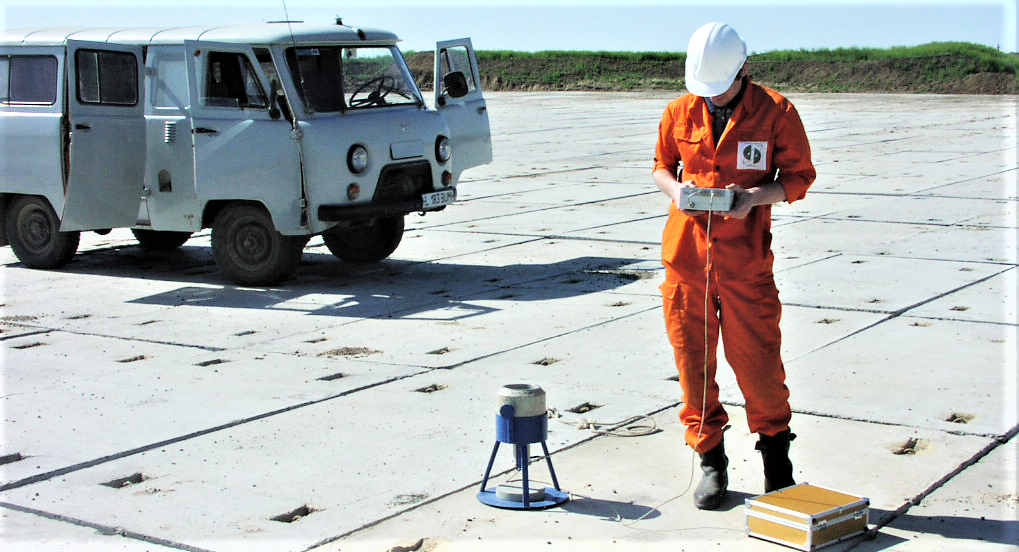
Лаборатория проводит радиационно-спектрометрические измерения для контроля содержания гамма-активных изотопов в различных пробах окружающей среды (почва, вода, растительность) и объектах технологического процесса (отходы, сырье, стройматериалы и т.д.) в лабораторных условиях и регистрацию гамма-излучающих радионуклидов в полевых условиях.
Проводятся определения суммарной активности альфа- и бета- излучающих радионуклидов в счетных образцах, бета-спектрометрическое определение содержания трития в водных образцах, проводится радиохимическое концентрирование радионуклидов для последующего анализа. Лаборатория располагает современным оборудованием для реализации методов физико-химического анализа: атомно-эмиссионной спектрометрии, UV-VIS-спектрофотометрии, флуорометрии, электрометрии, газовой и жидкостной хроматографии, позволяющими:
- проводить мониторинг параметров, характеризующих состояние окружающей среды,
- определять характер загрязнения исследуемых объектов под влиянием хозяйственной деятельности человека, - выявлять причины, вызвавшие загрязнение окружающей среды.
Основные методы контроля включают в себя:
- контроль за качеством питьевой воды с целью определения соответствия нормам,
- контроль физико-химических свойств почвы, подземной воды и воды открытых водоемов,
- контроль за загрязнением почвы и грунтов нефтепродуктами, тяжелыми металлами и продуктами сгорания углеводородной продукции,
- контроль воздушной среды.
Для получения информации о качественном и количественном составе исследуемых проб дополнительно или независимо используется большое количество химических, физико-химических и физических методов. Выбор метода анализа определяется в соответствии с конкретной аналитической задачей.